
 Orbit
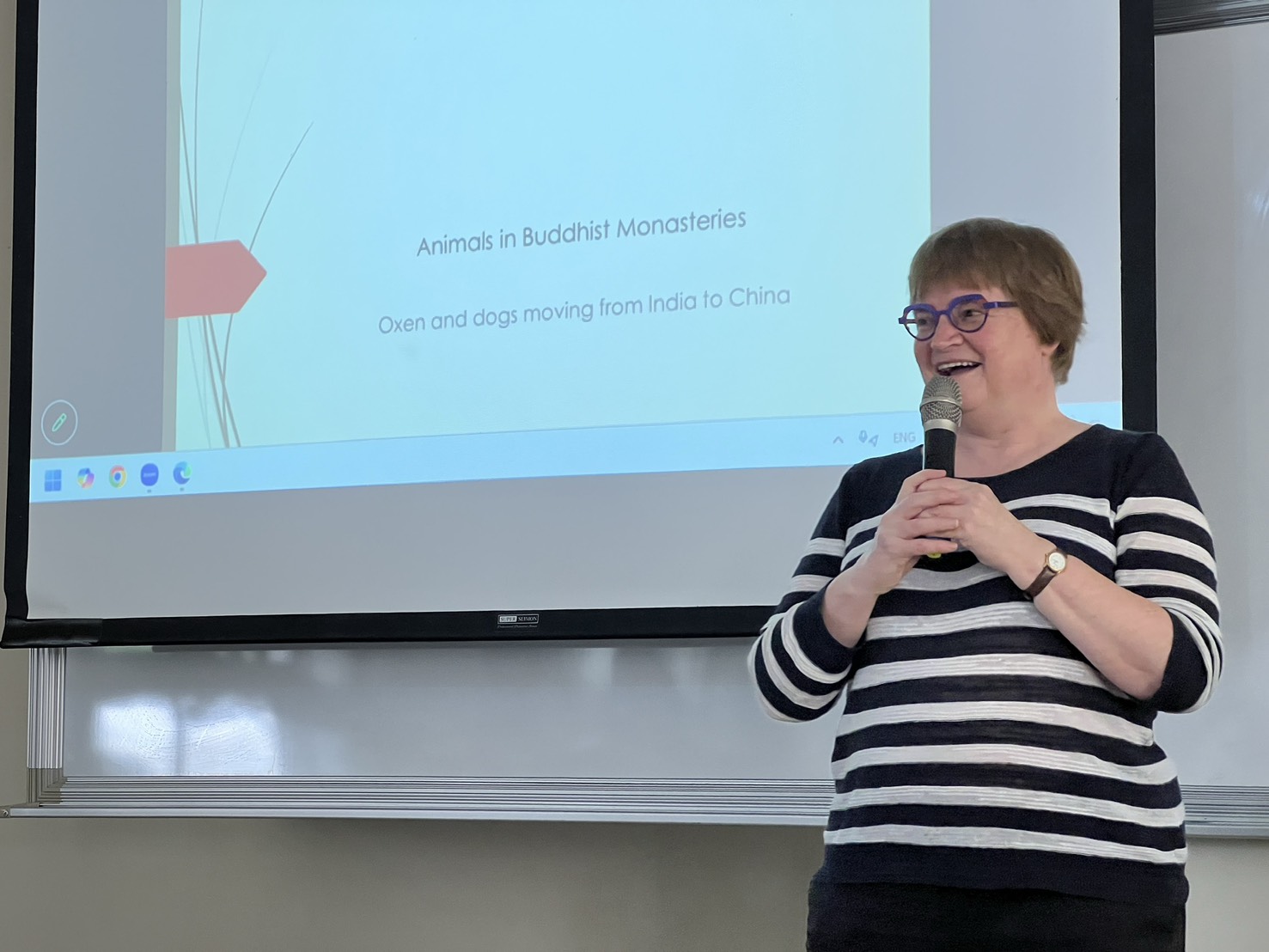
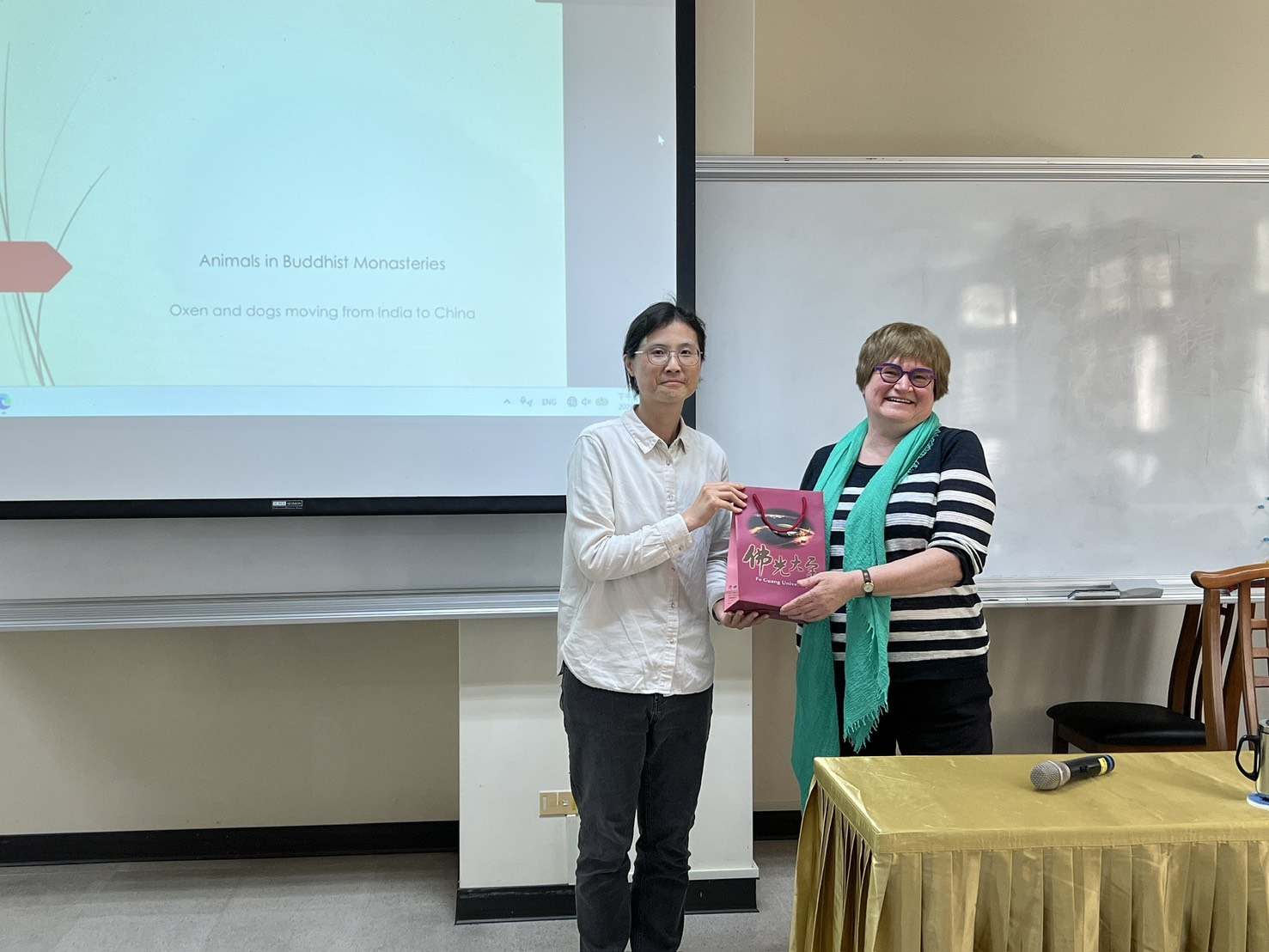
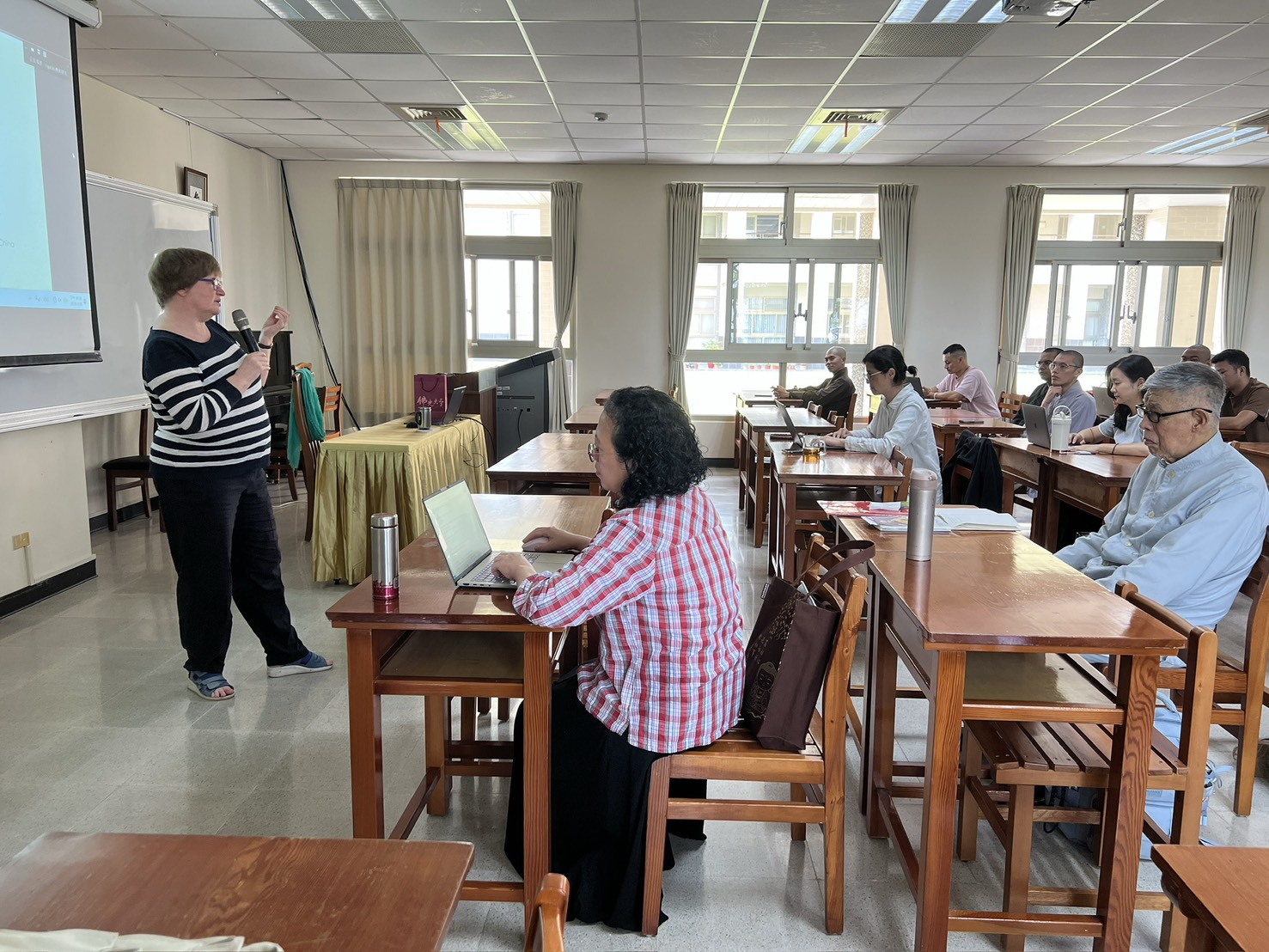
OrbitOn March 30, 2026, the Buddhist Research Center at Fo Guang University hosted an “International Distinguished Scholars Lecture,” inviting Professor Ann Heirman of Ghent University (Belgium) to deliver a talk entitled “Animals in Buddhist Monasteries: From India to China—A Case Study of Oxen and Dogs.” Drawing primarily on Vinaya literature, the lecture examined the relationships between the Buddhist monastic community and animals, as well as the ways in which disciplinary regulations shaped monastic life and ethical practice.
Professor Heirman began by situating her study within a comparative framework across multiple Vinaya traditions, including the Pāli Vinaya, the Sarvāstivāda Vinaya, the Dharmaguptaka Vinaya, and the Mahāsāṃghika Vinaya. Through a cross-sectarian and cross-cultural analysis, she explored normative attitudes toward animals as reflected in monastic regulations. While the Vinaya texts articulate idealized norms intended to construct a model monastic community, they also preserve detailed accounts of everyday practices, thereby providing valuable evidence for reconstructing lived monastic realities.
In her discussion of oxen, Professor Heirman highlighted their ambivalent status in Buddhist sources. On the one hand, oxen were often regarded as impure and emblematic of “animality,” prompting the monastic community to maintain physical separation through architectural features such as walls and gates. On the other hand, oxen played indispensable roles in daily life, serving agricultural and transport functions, and even providing dung for construction and sanitation. Dairy products were generally permitted for medicinal and everyday use, whereas leather was more restricted, reflecting the tension between the ethical principle of non-killing and practical necessities.
The case of dogs revealed an even more complex dynamic. Vinaya texts describe dogs as prone to stealing food, barking, and displaying aggression, yet they also record instances of amicable human-animal interaction. While the consumption of dog meat was largely prohibited, monks were also advised not to bring dogs into public spaces in order to preserve the dignity of the saṅgha. Furthermore, cases involving the “release of animals” (fangsheng) illustrate how acts motivated by compassion could nonetheless raise intricate issues concerning ownership, property rights, and the boundaries of Vinaya regulations.
Professor Heirman also examined the interpretations of the Tang dynasty Vinaya master Daoxuan (596–667). In his Xingshi chao (Commentary on the Practice of the Dharmaguptaka Vinaya), Daoxuan emphasized the principles of non-killing and compassion, while critically addressing the keeping of animals within monastic settings. He argued that certain practices—such as raising animals for utilitarian purposes like pest control—could constitute improper conduct (akuśala-śīla), thereby demonstrating the further ethical elaboration and localization of Vinaya thought in the Chinese context.
Through the concrete examples of oxen and dogs, the lecture illuminated how core Buddhist values—non-killing, non-harm, and compassion—were interpreted, negotiated, and adapted within the realities of monastic life. More broadly, it revealed how Buddhist animal ethics underwent significant reinterpretation as Buddhism spread from India to China, engaging with diverse cultural and social contexts.
Login Orbit